Introduction
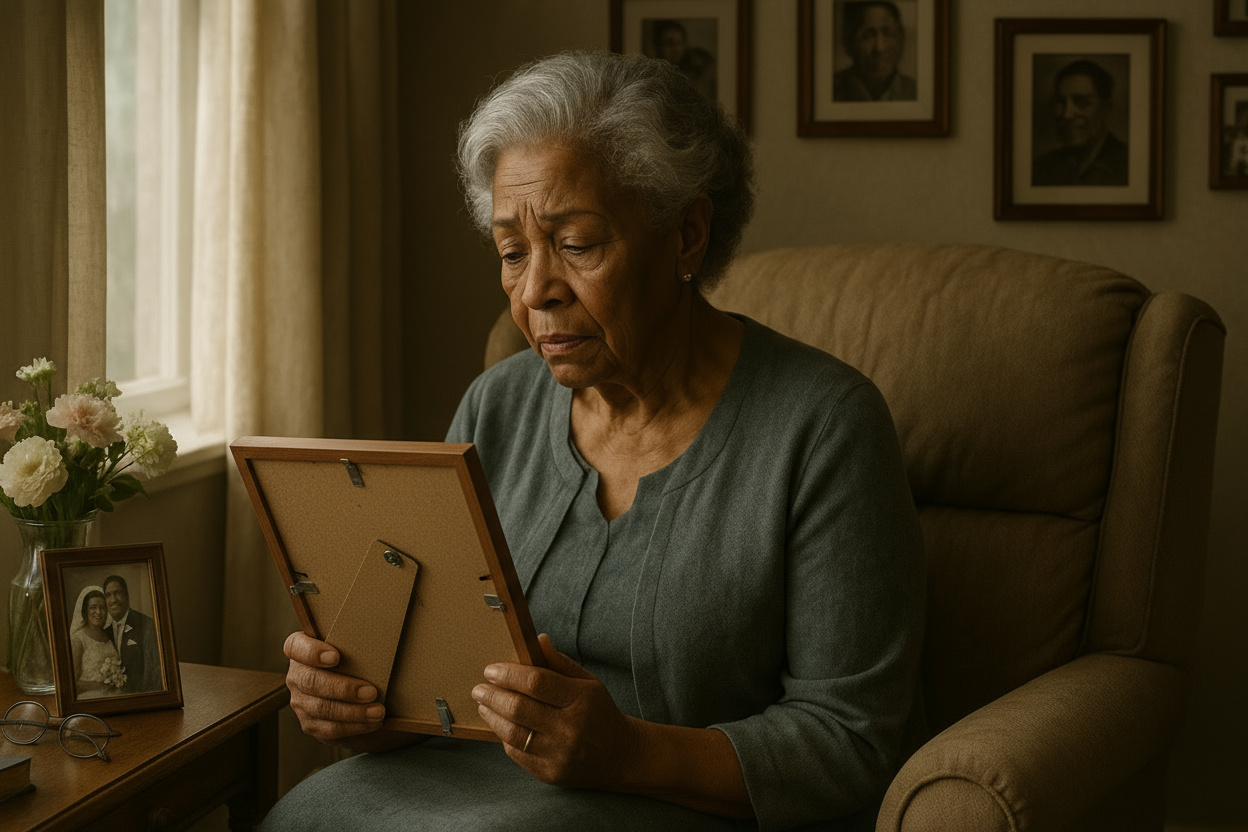
The house is quiet. The person you have dedicated your life to caring for is gone. And in the stillness that follows, you are left with a question that can feel both liberating and terrifying: what now?
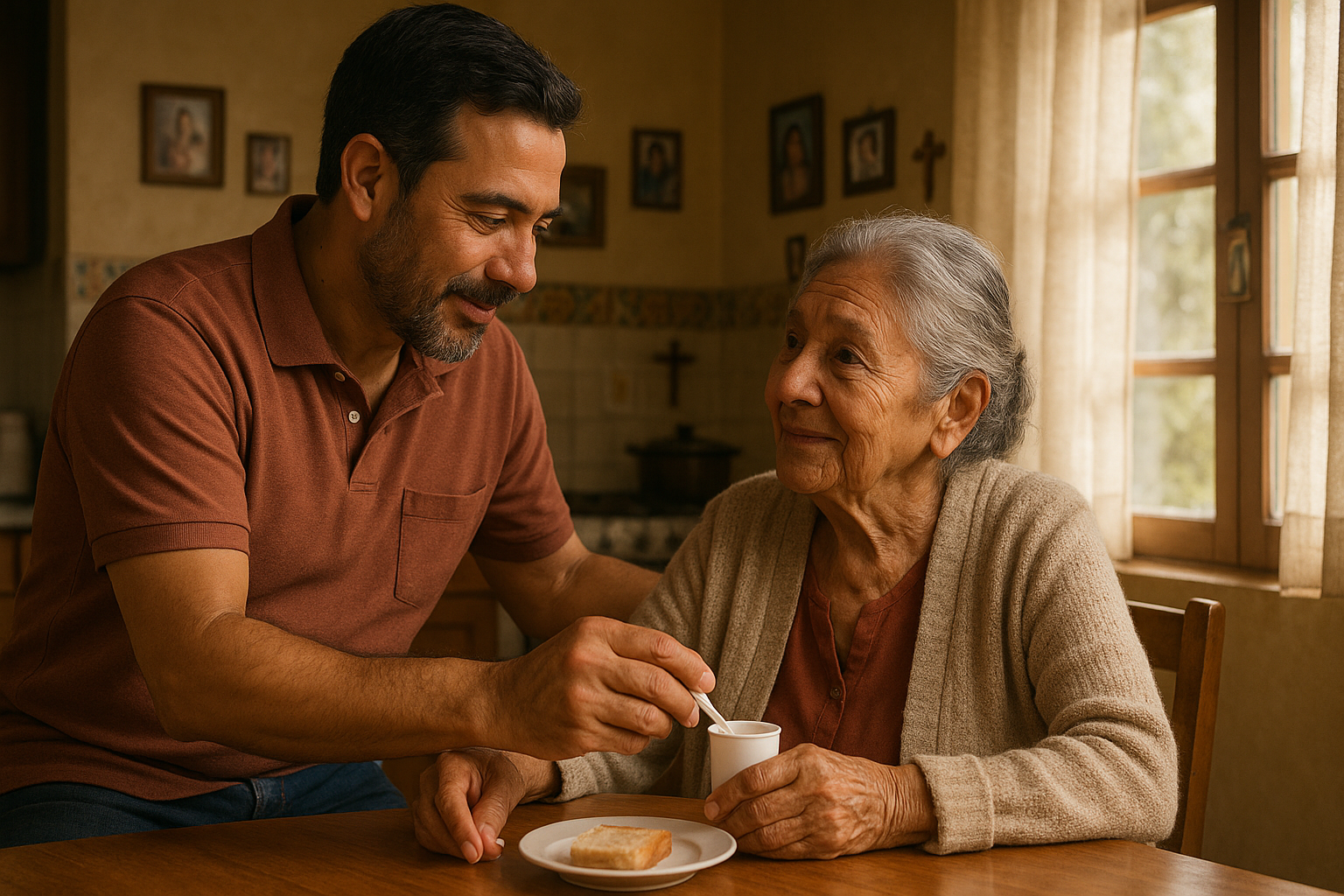
This is the reality for millions of former caregivers in the United States. After months or even years of pouring your heart and soul into caring for a loved one, you are suddenly faced with a new and unfamiliar landscape. The role that has defined you, the purpose that has driven you, is gone. And in its place, a complex mix of emotions emerges: grief, relief, exhaustion, and a profound sense of identity loss.
This guide, Part 4 of our Caregiver's Handbook, is for you. It moves on from our Part 3 - When Caregiving Becomes a 24/7 Job. It is a soft place to land, a gentle hand to hold, as you navigate the complex journey of grief and begin to build a new life for yourself. We will walk with you through the initial days of silence, through the messy and unpredictable journey of grief, and through the process of rediscovering who you are outside of the caregiving role. We will provide you with practical tools for healing, with gentle prompts for reflection, and with stories of hope from other former caregivers who have walked this path before you.
We want you to know that there is no right or wrong way to feel right now. Your emotions are valid, your journey is unique, and you are not alone. This is a time for mourning, for healing, and for slowly, gently, and with great compassion, reinventing your new normal. This is a time for finding your way forward.
Part 1: The Silence - Navigating the First Days and Weeks
Chapter 1: The Day After: When the Routine Stops
The first morning after caregiving ends is a strange and disorienting experience. You wake up with a jolt, your body still wired to the familiar rhythm of your loved one's needs. You reach for the medication bottle, but it's no longer there. You listen for the sound of their breathing, only to be met with a profound and unsettling silence. The routine that has been the scaffolding of your life for so long has suddenly collapsed, and in its place, there is an empty space, a void that can feel both cavernous and suffocating.
This is the beginning of the "Reinventing Normal" stage. It is a time of mourning, of healing, and of slowly, gently, and with great compassion, rediscovering who you are outside of the caregiving role. It is a time of navigating a new and unfamiliar landscape, one filled with both sorrow and possibility.
The Conflicting Emotions
It is essential to understand that there is no right or wrong way to feel in the days and weeks after a loved one's death. You may experience a complex and often conflicting mix of emotions, all of which are normal and valid.
- Profound Grief: The most obvious and expected emotion is grief. You have lost someone you love, someone you have dedicated your life to caring for. The pain of that loss can be immense, and it can manifest in a variety of ways: sadness, anger, guilt, loneliness, and numbness.
- Exhaustion: You have been running on adrenaline for months, or even years. The sheer physical and emotional exhaustion of caregiving can be overwhelming, and it may take a long time to recover.
- Relief: For many caregivers, there is also a sense of relief. You are relieved that your loved one is no longer suffering. You are relieved that the constant demands of caregiving are over. This feeling of relief can be confusing and even guilt-inducing, but it is a normal and understandable response to a long and challenging journey.
The "Reinventing Normal" Stage
This stage is about more than just grieving; it's about creating a new way of life. It's about finding a new rhythm, a new routine, a new sense of normalcy in the face of profound change. It's about learning to live in a world without your loved one, and about discovering who you are now that you are no longer a caregiver.
This is not a process that can be rushed. It is a slow and often messy journey of self-discovery. It is a journey that will require patience, self-compassion, and a willingness to embrace the unknown. You are not the same person you were before you became a caregiver. You have been changed by this experience, and it will take time to understand and integrate those changes into your new life.
In the chapters that follow, we will provide you with a roadmap to guide you on this journey. We will help you navigate the practical tasks of loss, understand the complex emotions of grief, and begin the process of rediscovering yourself. But for now, in these first few days and weeks, we just want you to know that it's okay to feel lost. It's OK to feel confused. And it's OK to just be still in the silence. You have been through a profound and life-altering experience. And you deserve the time and the space to heal.
Chapter 2: The Practical Tasks of Loss
Grief is often interrupted by a long and overwhelming list of administrative tasks. In the midst of your sorrow, you are suddenly faced with a mountain of paperwork, a series of phone calls, and a seemingly endless list of things to do. This chapter is designed to provide a simple and clear checklist to help you navigate the practical tasks associated with loss. Remember, you do not have to do this all at once. Take it one step at a time, and don't be afraid to ask for help.
Immediate Tasks:
- Arrange the funeral or memorial service. This is often the first and most pressing task. It can be a beautiful and meaningful way to honor your loved one's life, but it can also be a stressful and expensive undertaking. Don't be afraid to delegate tasks to family and friends. They want to help, and this is a concrete way they can do so.
- Notify friends and family. This can be a difficult and emotionally draining task. Consider asking a close friend or family member to assist you with making the calls.
- Obtain certified copies of the death certificate. You will need these for various administrative tasks, such as closing bank accounts and claiming life insurance benefits. It's a good idea to get at least 10-12 copies.
Tasks for the Coming Weeks:
- Contact Social Security, pension providers, and life insurance companies. You will need to notify them of your loved one's death and begin the process of claiming any benefits that may be due to you.
- Meet with a lawyer to begin settling the estate. If your loved one had a will, you will need to go through the probate process. If they did not have a will, the process can be more complicated. A lawyer can help you navigate the legal requirements and ensure that your loved one's assets are distributed according to their wishes.
- Close bank accounts and credit cards. You will need to provide a certified copy of the death certificate to close your loved one's bank accounts and credit cards.
A Note on Asking for Help
This is not a time to be a hero. You are grieving, you are exhausted, and you are overwhelmed. It is okay to ask for help. In fact, it is essential. Reach out to family, to friends, to your community. People want to help, but they often don't know how to do so. Be specific about what you need. Ask someone to make a few phone calls on your behalf. Ask someone to help you sort through the paperwork. Ask someone to just sit with you while you make the calls. You do not have to do this alone.
Navigating the practical tasks of loss can be a daunting and emotionally draining experience. However, by taking it one step at a time, asking for help, and being gentle with yourself, you can get through it. You can also create the space you need to begin the healing process.
Part 2: The Journey of Grief - Understanding Your Emotions
Chapter 3: Grief is Not a Straight Line
Grief is not a neat and tidy process. It is not a straight line that you can follow from point A to point B. It is a messy, unpredictable, and often chaotic journey. There will be good days and bad days. There will be days when you feel like you are making progress, and there will be days when you feel like you are right back where you started. This chapter is about understanding the nature of grief, recognizing its common expressions, and permitting yourself to feel whatever you are experiencing.
Grief is Messy
We often think of grief as a series of stages: denial, anger, bargaining, depression, and acceptance. But the truth is, grief is not that simple. It is not a linear process. It is more like a rollercoaster, with ups and downs, twists and turns. You may experience all of the stages of grief, but you may not experience them in that order. You may find yourself moving back and forth between stages, or you may experience multiple stages simultaneously. There is no right or wrong way to grieve. Your journey is your own, unfolding in its own time and in its own way.
Common Expressions of Grief
Grief can manifest in various ways, both emotionally and physically. Here are some of the common expressions of grief:
- Sadness: A deep and profound sadness is the most common and expected expression of grief.
- Anger: You may feel angry at the disease that took your loved one, at the doctors who couldn't save them, at God, at the world. You may even feel angry at your loved one for leaving you.
- Guilt: You may feel guilty about things you did or didn't do, things you said or didn't say. You may feel guilty for feeling relieved that the caregiving is over.
- Loneliness: You may feel a profound sense of loneliness, even when you are surrounded by people.
- Numbness: You may feel numb, as if you are in a state of shock. This is a normal and protective response to an overwhelming loss.
- Fatigue: The emotional and physical exhaustion of grief can be immense.
- Changes in sleep or appetite: You may find that you are sleeping more or less than usual, or that you have no appetite.
- Aches and pains: You may experience a range of physical symptoms, including headaches, stomachaches, and chest pain.
- Brain fog: You may have difficulty concentrating, remembering things, or making decisions.
- Forgetfulness: You may find that you are more forgetful than usual.
- Difficulty concentrating: You may struggle to focus on tasks or conversations.
A Note on Self-Compassion
It is so important to be gentle with yourself during this time. You are going through one of the most challenging experiences a person can go through. It is OK not to be OK. It is OK to be a mess. It is OK to take as much time as you need to heal. Be patient with yourself. Be kind to yourself. And know that you are not alone.
Chapter 4: Processing the Caregiving Experience: The "What Ifs" and "If Onlys"
As a caregiver, you made countless decisions, big and small, every single day. You were the one in the trenches, the one who knew your loved one best, the one who was responsible for their well-being. And now, in the quiet aftermath of their death, it is all too easy to second-guess those decisions. The "what ifs" and "if onlys" can be relentless, a chorus of self-doubt that can keep you stuck in a cycle of guilt and regret.
"What if I had tried a different treatment?" "If only I had been more patient." "Did I do enough?" These are the questions that can haunt you in the middle of the night, the questions that can make it feel impossible to move forward. This chapter is about understanding that these thoughts are a regular part of grief and processing trauma. It is about learning to be gentle with yourself, and about finding ways to let go of the guilt that can be so heavy.
The Nature of Caregiver Guilt
Caregiver guilt is a unique and complex emotion. It is often rooted in the immense responsibility you carried and in the love you had for the person you were caring for. You wanted to do everything perfectly, to make all the right decisions, to protect your loved one from all harm. However, the reality is that caregiving is not an exact science. It is a messy, unpredictable, and often impossible job. There are no right answers, no easy solutions. You did the best you could with the information you had at the time. And that is enough.
Letting Go of Guilt: A Gentle Exercise
Letting go of guilt is not about forgetting what happened. It is about forgiving yourself for not being perfect. It is about accepting that you did the best you could in a difficult and often impossible situation. Here is a gentle exercise that may help:
- Write a letter to yourself. In this letter, acknowledge the decisions you are struggling with. Write down all the "what ifs" and "if onlys" that are weighing on your heart. Don't hold back. Let it all out.
- Now, write a letter back to yourself from the perspective of your loved one. What would they say to you? Would they blame you for the decisions you made? Or would they thank you for your love, your dedication, and your unwavering commitment to their well-being? More often than not, our loved ones are the first to tell us that we have done enough, that we are enough, and that they love us unconditionally.
- Read the letter from your loved one out loud. Let their words of love and forgiveness wash over you. Let them be a balm to your wounded heart.
This exercise may not erase all of your guilt, but it can be a decisive step toward self-compassion and healing. It can help you see yourself through the eyes of the person who loved you most and begin to believe that you are worthy of love and forgiveness, especially from yourself.
Chapter 5: The Unique Grief of a Caregiver
All grief is valid, all loss is profound. But the grief of a caregiver is different. It is a multi-layered and complex experience that goes far beyond the loss of a person. It is the loss of a role, a purpose, a daily structure, and a future you had once envisioned. This chapter is about understanding the unique nature of caregiver grief, and about giving yourself permission to mourn all that you have lost.
The Loss of Your Role
For months, or even years, you have been a caregiver. It is a role that has defined you, a role that has consumed you. You have been a nurse, a cook, a chauffeur, a companion, a confidante. You have been the one who was always there, the one who could always be counted on. And now, that role is gone. You are no longer a caregiver. And in the space where that role once was, there is a profound sense of emptiness, a loss of identity that can be deeply disorienting.
The Loss of Purpose
Caregiving is a purpose-driven life. Every day, you had a reason to get out of bed, a reason to keep going. You had someone who needed you, someone whose well-being depended on you. And now, that purpose is gone. The days can feel long and empty, and the future can feel bleak and uncertain. It is normal to feel a sense of purposelessness, to wonder what you are supposed to do now.
The Loss of Daily Structure
Caregiving is a life of routine. You had a medication schedule, a feeding schedule, a bathing schedule. Your days were structured around the needs of your loved one. And now, that structure is gone. The days can feel formless and chaotic, the silence can be deafening. It is normal to feel a sense of disorientation, as if you are adrift in a sea of unstructured time.
The Loss of Your Future
You had a future with your loved one, a future that you had imagined and planned for. Maybe you had hoped to travel together, to see your grandchildren grow up together, to simply grow old together. And now, that future is gone. The loss of that shared future can be one of the most painful aspects of grief. It is the loss of what could have been, the loss of a dream.
The Loss of Your Identity
When you are a caregiver, your identity becomes intertwined with the person you are caring for. You are a wife, a husband, a daughter, a son. But you are also a caregiver. And when that person is gone, a part of your identity is lost as well. It can be difficult to remember who you were before you were a caregiver, to reconnect with the parts of yourself that have been dormant for so long.
It is so important to acknowledge and mourn all of these losses. Your grief is not just about the person who has died. It is about the life that has ended, the role that has been lost, and the future that will never be. It is a complex and multi-layered grief, and it deserves to be honored and respected. Be gentle with yourself as you navigate this new and unfamiliar terrain. And know that it is okay to grieve for all that you have lost.
Part 3: Rediscovering You - Who Am I Now?
Chapter 6: The Question of "What Now?"
The question of "what now?" can be one of the most daunting and disorienting questions a former caregiver can face. For so long, your life has been defined by the needs of another. Your days have been filled with a constant stream of tasks, a never-ending to-do list. And now, in the sudden and profound silence, you are left with a vast and empty space, a void that can feel both liberating and terrifying.
This chapter is about permitting yourself to do nothing. It is about understanding that there is no rush to figure out "what now." It is about giving yourself the time and space to rest, heal, and simply be.
The Disorienting Feeling of Free Time
After months, or even years, of being on call 24/7, the sudden abundance of free time can be deeply unsettling. You may find yourself wandering from room to room, unsure of what to do with yourself. You may feel a sense of guilt for having this newfound freedom, a feeling that you should be doing something productive, something meaningful. But the truth is, you have been doing something productive and meaningful for a very long time. You have been a caregiver. And now, it is time to rest.
Permission to Do Nothing
I want to give you permission to do nothing. I want to give you permission to sit on the couch and watch TV all day. I want to give you permission to sleep in, to take long baths, to read a book for pleasure. I want to give you permission to do whatever it is you need to do to rest and to heal. There is no rush to figure out your next chapter. There is no timeline for grief. There is only this moment, and in this moment, you have permission to just be.
The Importance of Rest
You have been through a marathon, a long and grueling race that has tested your physical, emotional, and spiritual endurance. You are exhausted, depleted, and in desperate need of rest. This is not a time to push yourself, to set new goals, to start a new project. This is a time to replenish your reserves, to recharge your batteries, to simply be still.
A Gentle Invitation
So, I invite you to be gentle with yourself. I invite you to let go of the pressure to be productive, busy, or anything other than what you are right now. I invite you to embrace the stillness, to welcome the silence, to simply be. The question of "what now?" will still be there tomorrow, and the day after that. But for now, in this moment, you have permission to rest. You have permission to heal. And you have permission to just be.
Chapter 7: Reconnecting with Your Own Health
Caregiving is an all-consuming role, and it is all too easy to neglect your own health in the process. You may have missed doctor's appointments, ignored your own aches and pains, and put your own well-being on the back burner. Now, in the aftermath of caregiving, it is time to gently turn the focus back to yourself. It is time to reconnect with your own health, to nurture your own body, and to give yourself the care and attention you so freely gave to your loved one.
Schedule a Check-Up
The first and most important step is to schedule a check-up with your own doctor. Be honest with them about the physical and emotional toll that caregiving has taken on you. Let them know about any aches and pains you have been ignoring, any changes in your sleep or appetite, any feelings of depression or anxiety. Your doctor can help you to assess your overall health, to address any underlying medical issues, and to create a plan for moving forward.
Focus on the Basics
Now is not the time to embark on a strenuous new exercise routine or a restrictive new diet. It is a time to be gentle with yourself, to focus on the basics of self-care.
- Sleep: You are likely sleep-deprived after months, or even years, of interrupted nights. Make sleep a priority. Create a relaxing bedtime routine. Go to bed and wake up at the same time each day. And don't be afraid to take naps when you need them.
- Gentle Nutrition: Your body has been through a lot. Nurture it with gentle, nourishing foods. Focus on whole, unprocessed foods, and don't be afraid to indulge in your favorite comfort foods in moderation. This is not a time for deprivation; it is a time for comfort and nourishment.
- Movement: You may not have the energy for a strenuous workout, and that's okay. Gentle movement can be just as beneficial. A short daily walk can do wonders for your physical and emotional well-being. It can help to clear your head, to boost your mood, and to gently re-engage your body.
A Note on Self-Compassion
Reconnecting with your own health is a process, not a destination. There will be good days and bad days. There will be days when you have the energy to take a walk and cook a healthy meal, and there will be days when all you can do is rest. Be gentle with yourself. Be patient with yourself. And know that every small step you take toward self-care is a step in the right direction.
Chapter 8: Rebuilding Your Social Life
Caregiving can be a very isolating experience. You may have lost touch with friends, missed out on social events, and felt like you were living in a world of your own. And now, in the aftermath of caregiving, the thought of rebuilding your social life can feel daunting and overwhelming. This chapter is about taking small, gentle steps to re-engage with the world, to reconnect with friends and family, and to find a new sense of belonging.
The Awkwardness of Re-Engagement
It is normal to feel awkward and out of place when you first start to socialize again. You may not know what to say. You may feel like you have nothing in common with people who haven't experienced what you have. You may feel like a stranger in your own life. Be patient with yourself. It will take time to find your footing again.
Small Steps to Re-engage
You don't have to jump back into a busy social life all at once. In fact, it's better if you don't. Here are some small, gentle steps you can take to re-engage with the world:
- Start with a phone call or a short coffee date with one trusted friend. Choose someone you feel safe with, someone you can be honest with. You don't have to put on a brave face. You can be real.
- Be honest with people. It's okay to say, "I want to see you, but I don't have a lot of energy right now." Or, "I'm not sure what to talk about, but I'd love to just sit with you for a while." People will understand.
- Explore joining a new group or class when you feel ready. This could be a book club, a walking group, a volunteer opportunity, or any other activity that interests you. It can be a great way to meet new people who share your interests, and to find a new sense of purpose and belonging.
A Note on Finding Your People
You may find that some of your old friendships have changed. You may find that you have less in common with people who haven't experienced what you have. And that's okay. It's also an opportunity to find your people, to connect with other former caregivers who understand what you're going through. There are many online and in-person support groups for former caregivers. These can be an excellent source of comfort, validation, and connection.
Rebuilding your social life is a process, not a destination. It will take time, patience, and a willingness to be vulnerable. But by taking small, gentle steps, you can begin to re-engage with the world, to reconnect with friends and family, and to find a new sense of belonging. You are not alone.
Part 4: Building Your New Normal - Looking to the Future
Chapter 9: Finding Meaning and Purpose After Caregiving
As the initial shock and numbness of grief begin to subside, you may find yourself starting to think about the future. The question of "what now?" may still feel daunting, but it may also begin to feel a little less terrifying. This chapter is about exploring ways to find meaning and purpose after caregiving. It is about honoring your loved one and your caregiving experience, and about finding new ways to live a life of purpose and passion.
Honoring Your Loved One and Your Caregiving Experience
One of the most powerful ways to find meaning after loss is to find ways to honor the person you have lost. This can be a deeply personal and creative process. Here are some ideas to explore:
- Volunteer for a cause related to your loved one's illness. This can be a way to channel your grief into positive action, to make a difference in the lives of others, and to honor your loved one's memory.
- Become a mentor or support person for a new caregiver. You have a wealth of knowledge and experience to share. You can be a source of comfort, validation, and practical advice for someone who is just beginning their caregiving journey.
- Pursue a hobby or interest that was put on hold. Maybe you always wanted to learn to paint, to play the guitar, to speak a new language. Now is the time to pursue those passions, to reconnect with the parts of yourself that have been dormant for so long.
- Create a memorial. This could be a garden, a photo album, a donation to a favorite charity, or anything else that feels meaningful to you. It can be a way to create a lasting tribute to your loved one, and to keep their memory alive.
Finding Your Own Path
There is no right or wrong way to find meaning and purpose after caregiving. What works for one person may not work for another. The most important thing is to be true to yourself, to follow your own heart, and to find what feels meaningful to you. This is your journey, your story. And you get to write the next chapter.
Chapter 10: When to Seek Professional Help
Grief is a normal and natural response to loss. But sometimes, it can become complicated. It can get stuck. It can turn into something that feels less like grief and more like a constant state of despair. This chapter explores the distinction between normal grief and complicated grief, as well as recognizing when it is necessary to seek professional assistance.
Normal Grief vs. Complicated Grief
Normal grief is a messy and unpredictable journey, but it is a journey that moves. It is a journey that allows for moments of joy, of peace, of connection. Complicated grief, on the other hand, is a journey that is stuck. It is a journey that is characterized by a constant and unrelenting state of grief, a state that does not improve over time.
Signs You May Need More Support
Here are some signs that you may be experiencing complicated grief and that it may be time to seek professional help:
- Inability to function in daily life after several months. You may find that you are unable to go to work, to take care of your basic needs, or to engage in any of the activities you once enjoyed.
- Intense, persistent feelings of hopelessness. You may feel like you will never be happy again, that life is not worth living without your loved one.
- Thoughts of harming yourself. If you are having thoughts of harming yourself, you must seek professional help immediately. You can call the National Suicide Prevention Lifeline at 988.
The Role of Grief Counselors and Support Groups
Grief counselors are mental health professionals who are specially trained to help people navigate the complex journey of grief. They can provide you with a safe and supportive space to process your emotions, to learn coping skills, and to find a way to move forward. Support groups can also be a wonderful source of comfort and connection. They can provide you with a community of people who understand what you are going through, who can validate your feelings, and who can offer you hope and encouragement.
Reaching Out
It can be difficult to reach out for help, especially when you are feeling so lost and alone. But it is one of the bravest and most compassionate things you can do for yourself. You do not have to go through this alone. There is help available. And you deserve to feel better.
Chapter 11: A Letter to Yourself a Year From Now
This is an exercise in hope. It is an exercise in forward thinking. It is an exercise in believing that, even though it may not feel like it right now, you will get through this. You will heal. And you will find a way to live a new and meaningful life.
I invite you to write a letter to yourself a year from now. In this letter, I want you to acknowledge the pain you are in right now. I want you to be honest about your fears, your sorrows, your regrets. But I also want you to express your hopes for the future. What do you hope to be feeling a year from now? What do you hope to be doing? Who do you hope to be?
Here are some prompts to get you started:
- Dear Future Self,
- I am writing to you from a place of deep sorrow. Right now, I feel...
- My biggest fear is...
- My deepest regret is...
- A year from now, I hope to feel...
- A year from now, I hope to be doing...
- A year from now, I hope to have learned...
- A year from now, I hope to have become...
- I am sending you so much love and compassion.
- Sincerely,
- Your Past Self
Once you have written your letter, seal it in an envelope and put it away somewhere safe. Don't open it until a year from now. When you do, you may be surprised at how far you have come. You may be surprised at how much you have healed. And you may be surprised at how much hope and resilience you had, even in your darkest hour.
Conclusion
You have reached the end of this guide, but you are at the beginning of a new chapter in your life. The journey of grief is not a linear one, and the process of reinventing yourself after caregiving is a slow and often messy one. But you are not alone. Millions of former caregivers have walked this path before you, and they have found their way forward. And you will too.
We hope that this guide has provided you with a roadmap for this journey. We hope that it has permitted you to grieve, to heal, and to be gentle with yourself. We hope that it has helped you to see that you are not just a former caregiver; you are a survivor. You are a person of immense strength, resilience, and compassion. And you have a bright and beautiful future ahead of you.
As you move forward, we encourage you to remember the key takeaways from this guide:
- The silence is temporary. The initial days and weeks after caregiving ends can be disorienting and lonely, but the silence will not last forever.
- Grief is not a straight line. It is a messy and unpredictable journey, and there is no right or wrong way to grieve.
- You are not who you were. Caregiving has changed you, and it will take time to rediscover who you are now.
- A new, meaningful life is possible. You possess the strength, resilience, and capacity for joy to create a new and beautiful life for yourself.
We know that you are strong. We know that you are resilient. And we know that you will find your way forward. We are here for you every step of the way.
References
National Alliance for Grieving Children
National Suicide Prevention Lifeline or call 988
Looking for home care providers?
Browse verified options in your area

Dr. Logan DuBose is a MD and co-founder of Olera.care. He writes about dementia, Alzheimer's, and other age-related conditions. He is a Texas A&M MD/MBA alum. Olera specializes in merging clinical practice with innovative solutions for the aging population.