Introduction
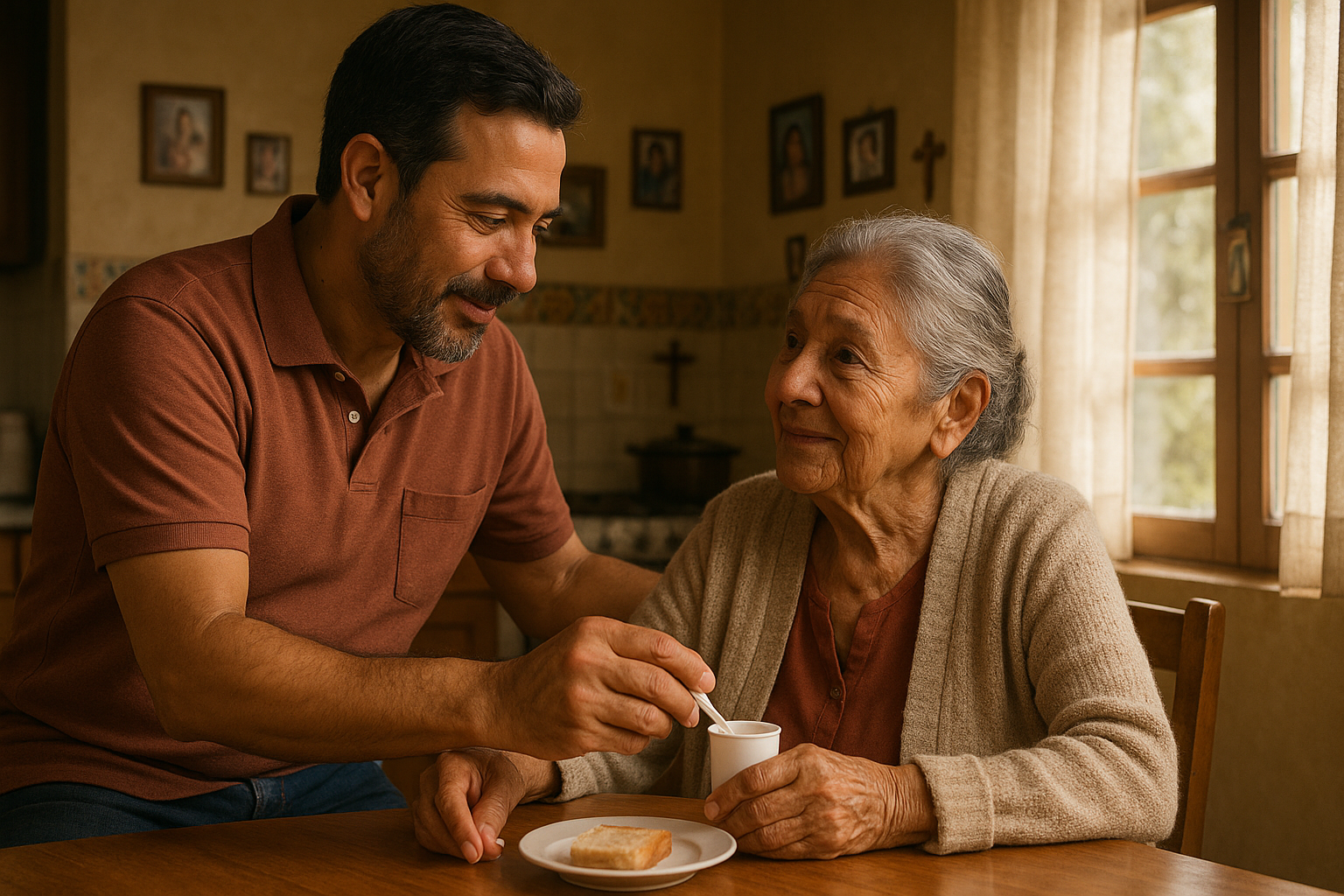
There comes a point in the caregiving journey when everything shifts. The part-time help you were providing, including check-ins and appointments, as well as medication reminders, they are no longer enough. We have discussed this in our previous Part 2 - A Practical Guide to Managing a Loved One's Care. The needs of your loved one have escalated, and you find yourself in a new and demanding reality: caregiving has become a 24/7 job. This is the stage we call "Building a New Normal," and it is, without a doubt, the most intense and challenging phase of caregiving.
You are likely feeling exhausted, overwhelmed, and isolated. You may be facing the reality of a terminal diagnosis, and the grief that comes with it. You may be struggling to balance the demands of caregiving with your own needs, your family, and your career. You may be feeling like you are at the end of your rope, that you can't possibly do this for another day. Please know that you are not alone. What you are feeling is normal. And you are seen.
This guide, Part 3 of our Caregiver's Handbook, is for you. It is a guide for caregivers who are in the trenches, providing round-the-clock care and feeling the full weight of this immense responsibility. Our goal is to help you feel seen and understood, to provide you with practical strategies for survival, and to guide you toward accepting the help you so desperately need and deserve. We will discuss the emotional turmoil of this stage, the practical aspects of advanced personal care, and the importance of finding moments of peace amidst the chaos.
We want to be very clear from the outset: you cannot do this alone. The myth of the super caregiver, the one who can do it all without help, is a dangerous one. It leads to burnout, resentment, and a decline in your own health. This guide will help you challenge that myth and provide you with the tools and permission to ask for and accept help. We will introduce you to the various types of professional help available, ranging from home health aides to hospice care, and guide you through the process of finding the right care for your loved one.
We know that you are in a painful and challenging place right now. We know that you are doing the best you can. And we want you to know that your love, your dedication, and your unwavering commitment to your loved one is the greatest gift you can give. This guide is here to support you, to validate you, and to remind you that even in the darkest of times, there is hope, help, and peace to be found.
Part 1: The Shift - Accepting a New Reality
Chapter 1: When Everything Changes: The Move to Intensive Care
It often happens in a single, heart-stopping moment. A fall. A trip to the emergency room. A doctor's solemn words. Or maybe it's a slow, creeping realization, a series of small changes that add up to an undeniable truth: your loved one can no longer be left alone. The shift from part-time help to a 24/7 reality is a profound and life-altering one. It is the moment when caregiving becomes the central focus of your life, when your own needs are pushed to the back burner, and when you are forced to confront the overwhelming reality of your loved one's declining health.
This is the beginning of the "Building a New Normal" stage. It is a stage of creating new routines in the face of escalating needs, of learning to manage complex medical tasks, and of acknowledging that the end of life may be approaching. It is a stage of profound love, of deep grief, and of a strength you never knew you had.
The Overwhelming Feelings
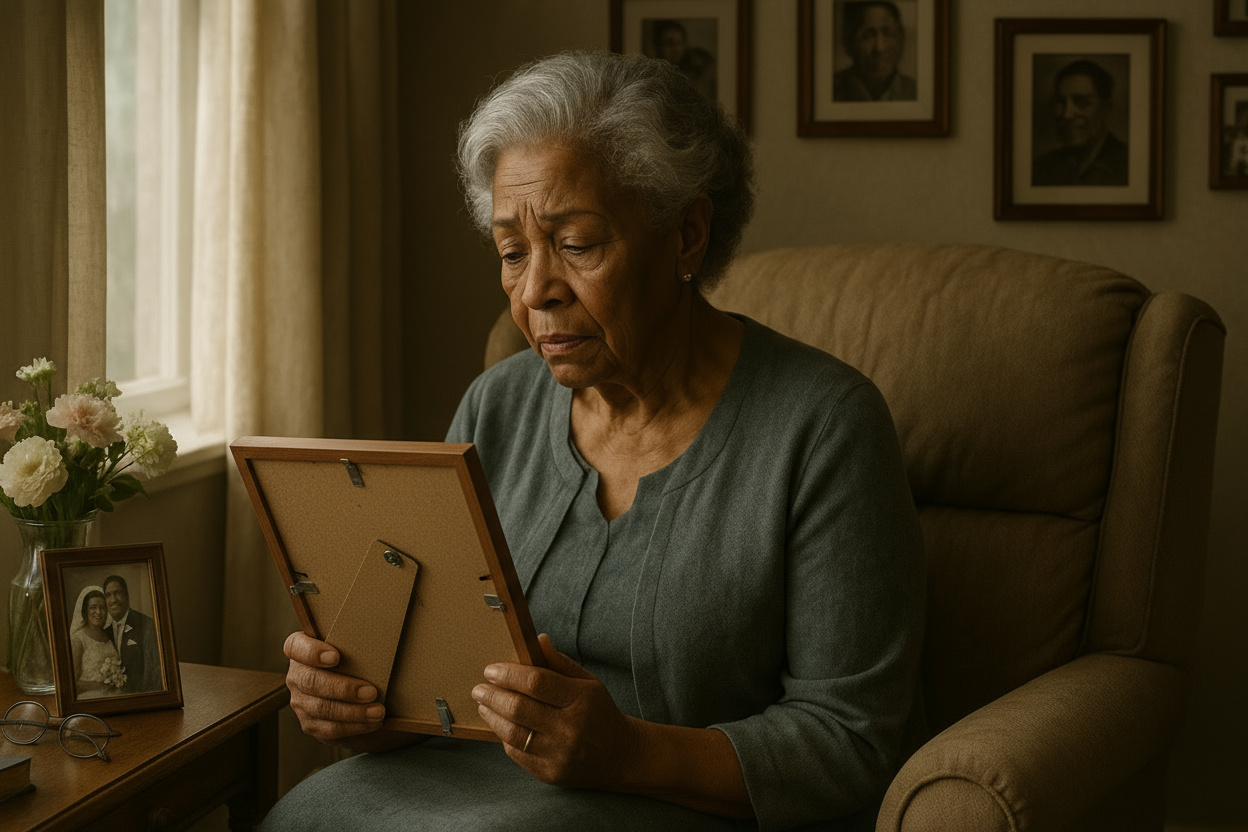
It is impossible to overstate the emotional turmoil of this stage. You may be feeling a chaotic mix of emotions, all of which are valid and normal.
- Exhaustion: The sheer physical and emotional exhaustion of 24/7 caregiving is immense. You may be sleep-deprived, running on adrenaline, and feeling like you have nothing left to give.
- Grief: You are grieving the loss of the person your loved one once was. You are grieving the loss of the life you had planned. And you are grieving the losses that are yet to come.
- Feeling Trapped: You may feel like you are trapped in a never-ending cycle of caregiving, with no escape in sight. You may feel like you have lost your own life, your own identity, your own freedom.
- Profound Love: And yet, amidst all of this, there is a profound and unwavering love. It is the love that keeps you going, the love that fuels your strength, the love that makes it all worthwhile.
It is essential to validate these feelings and permit yourself to feel them without judgment. You are not a bad person for feeling exhausted, for feeling trapped, for feeling angry. You are a human being who is navigating an incredibly difficult and painful journey. And you are doing it with love.
The "Building a New Normal" Stage
This stage is about more than just providing care; it's about creating a new way of life. It's about finding a new rhythm, a new routine, a new sense of normalcy in the face of constant change. It's about learning to live in the present moment, cherishing the good days, and finding moments of peace and joy amidst the chaos.
It's also about acknowledging the reality of the situation. It's about accepting that your loved one's needs are only going to increase, and that you cannot do this alone. It's about starting to think about the future, about making difficult decisions, and about preparing for the end of life.
This is a hard and painful stage, but it is also a stage of incredible growth. It is a stage where you will discover a strength you never knew you had, a resilience you never knew you possessed, and a capacity for love that is deeper than you ever imagined. You are not alone in this. And we are here to help you navigate this new and challenging reality.
Chapter 2: Acknowledging the End of Life: The Hardest Conversation
There comes a time in the caregiving journey when the focus shifts. The hope for a cure, the relentless pursuit of new treatments, the endless cycle of doctors' appointments – it all begins to fade. And in its place, a new and challenging reality emerges: the acknowledgment that the end of life is approaching. This is, without a doubt, the hardest conversation you will ever have. It is a conversation filled with sadness, fear, and a profound sense of loss. However, it is also a conversation filled with love, compassion, and the opportunity to honor your loved one's wishes.
The Transition from "Hoping for a Cure" to "Hoping for Comfort"
This transition is a gradual one. It is a slow and painful process of letting go of the hope for a miracle and embracing the reality of the situation. It is a shift from a mindset of fighting to one of acceptance. It is a shift from a focus on the quantity of life to a focus on the quality of life. This is not giving up. It is an act of love. It is about ensuring that your loved one's final days, weeks, and months are as comfortable, as peaceful, and as meaningful as possible.
Palliative Care and Hospice Care: Simple, Gentle Terms
As you begin to have these difficult conversations, you will likely hear the terms "palliative care" and "hospice care." It's important to understand the difference between these two types of care.
- Palliative Care: Palliative care is a type of comfort care. It is a specialized type of medical care that is focused on providing relief from the symptoms and stress of a serious illness. The goal is to improve the quality of life for both the patient and the family. Palliative care can be provided at any stage of an illness, and it can be given alongside curative treatments. It is not just for end-of-life care.
- Hospice Care: Hospice care is a philosophy of care that is focused on the last six months of life. It is for people who have a terminal illness and who are no longer seeking curative treatments. The goal of hospice care is to provide comfort, manage symptoms, and support the patient and their family emotionally and spiritually. Hospice care is not about giving up; it's about choosing to live the remainder of one's life with dignity, with peace, and with as much quality of life as possible.
Assisted Living and Nursing Home Options
As your loved one's needs increase, you may need to consider moving them to an assisted living facility or a nursing home. This is a difficult and often guilt-ridden decision, but it is essential to remember that seeking professional help does not mean you are failing your loved one. You ensure that they receive the care they need, 24 hours a day, 7 days a week.
- Assisted Living: Assisted living facilities are designed for individuals who require assistance with daily activities, such as bathing, dressing, and eating, but do not require the intensive medical care of a nursing home. They provide a supportive and social environment, with a focus on independence and quality of life.
- Nursing Homes: Nursing homes, also known as skilled nursing facilities, are designed for individuals with complex medical needs who require 24-hour nursing care. They provide a higher level of medical care than assisted living facilities, and they are often the best option for people in the final stages of an illness.
Understanding Your Loved One's Wishes
One of the most important things you can do as a caregiver is to understand your loved one's wishes for end-of-life care. This can be a difficult conversation to have, but it is a conversation that is essential. You need to know what they want and what they don't like. This includes:
- Living Will: A living will is a legal document that outlines your loved one's wishes for medical care at the end of life. It can specify what types of treatments they do and do not want, such as CPR, a ventilator, or a feeding tube.
- DNR Orders: A DNR (Do Not Resuscitate) order is a medical order that tells healthcare providers not to perform CPR if your loved one's heart stops or if they stop breathing.
How to Talk to the Medical Team About Shifting the Goals of Care
Discussing the shift in care goals with the medical team can be intimidating. But it is a conversation that you have the right to have. Here are some tips:
- Schedule a family meeting. Ask the doctor to schedule a family meeting to discuss your loved one's prognosis and to talk about the goals of care.
- Be prepared. Before the meeting, make a list of your questions and concerns.
- Be a respectful but firm advocate. You are your loved one's voice. It is your responsibility to ensure that their wishes are heard and respected.
The most challenging conversation is also the most loving one. It is a conversation about honoring your loved one's wishes, ensuring their comfort and dignity, and saying goodbye with love and grace.
Part 2: The 24/7 Reality - Practical Survival Strategies
Chapter 3: The Nuts and Bolts of Advanced Personal Care
When caregiving becomes a 24/7 job, the practical demands of personal care can be overwhelming. You may find yourself performing tasks you never imagined you would have to do, such as helping your loved one with bathing and toileting, managing incontinence, and preventing bed sores. This chapter is designed to be a practical, step-by-step guide to advanced personal care. It is a chapter that must be handled with extreme sensitivity, with respect for your loved one's dignity, and with a deep sense of compassion.
A Note on Dignity and Respect
Before we dive into the practicalities, it is essential to remember that you are not just performing a task; you are caring for a human being. Your loved one is not a collection of symptoms or a list of needs. They are a person with a history, with a personality, and with a right to be treated with dignity and respect. Always approach personal care with a gentle touch, a kind word, and a deep sense of compassion. Talk to your loved one throughout the process, explain what you are doing, and ask for their preferences whenever possible. Your attitude and your approach can make all the difference in the world.
How to Safely Move or Transfer Someone from Bed to Chair
Moving or transferring a loved one from a bed to a chair can be a daunting task, especially if they have limited mobility. It's important to do it safely to prevent injury to both you and your loved one. Here are the basic steps:
- Get the chair ready. Place the chair next to the bed, facing the foot of the bed. Make sure the wheels are locked.
- Help your loved one sit up. Help them swing their legs over the side of the bed so they are sitting on the edge of the mattress.
- Use a gait belt. A gait belt is a wide, sturdy belt that can be placed around a loved one's waist. It provides a secure place to hold onto and can help guide them as they stand up.
- Stand in front of your loved one. Place your feet shoulder-width apart, with your knees bent. Have your loved one put their hands on your shoulders.
- On the count of three, help them stand up. As they stand, pivot them so their back is to the chair.
- Help them sit down. Slowly lower them into the chair.
Managing Incontinence with Compassion and Efficiency
Incontinence is one of the most challenging and emotionally difficult aspects of caregiving. It can be embarrassing for your loved one and frustrating for you. Here are some tips for managing incontinence with compassion and efficiency:
- Establish a regular toileting schedule. Take your loved one to the bathroom every two to three hours, even if they don't feel the need to go.
- Use incontinence products. A wide variety of incontinence products is available, ranging from pads and liners to adult diapers. Find the product that works best for your loved one.
- Protect the skin. Urine and feces can be very irritating to the skin. Clean the skin thoroughly after each episode of incontinence, and use a barrier cream to protect the skin from moisture.
- Be matter-of-fact and reassuring. Don't make a big deal out of accidents. Reassure your loved one that it's okay, and that you are there to help.
Bathing and Hygiene for Someone Who is Bed-Bound
Bathing someone who is bed-bound can be a challenging task, but it is essential for their health and overall well-being. Here are the basic steps for giving a bed bath:
- Gather your supplies. You will need a basin of warm water, soap, a washcloth, a towel, and a change of clothes.
- Protect the bed. Place a waterproof pad under your loved one to protect the bed from getting wet.
- Wash one part of the body at a time. Start with the face, then move to the arms, chest, abdomen, legs, and back. Wash, rinse, and dry each area thoroughly before proceeding to the next one.
- Keep your loved one covered. Only expose the part of the body that you are washing. This will help keep them warm and protect their privacy.
Preventing Bedsores
Bedsores, also known as pressure ulcers, are a serious and painful problem for people who are bed-bound. They are caused by prolonged pressure on the skin, which can restrict blood flow and lead to skin breakdown. Here are some tips for preventing bedsores:
- Reposition your loved one every two hours. This is the most crucial step you can take to prevent bed sores.
- Use pressure-relieving devices. This can include a special mattress, pillows, or cushions.
- Keep the skin clean and dry.
- Inspect the skin daily. Look for any areas of redness or broken skin.
Managing Pain and Other Symptoms
Pain is a common and distressing symptom for people with serious illnesses. It's important to work closely with the medical team to manage your loved one's pain effectively. This may include medications, as well as non-drug therapies, such as massage, music therapy, or relaxation techniques.
Advanced personal care is a demanding and often thankless job. However, it is also a job that is filled with love, compassion, and the opportunity to make a real difference in your loved one's life. You are doing a heroic thing. And you are not alone.
Chapter 4: Your Home is Now a Care Center
When you provide 24/7 care for a loved one, your home is no longer just a home; it becomes a care center. It is a place where medical procedures are performed, where medications are administered, and where your loved one spends the vast majority of their time. Creating a home environment that is safe, efficient, and comfortable is essential for both you and your loved one. This chapter will provide you with practical tips for setting up your home for maximum efficiency and safety, creating a "care station," renting or buying medical equipment, and maintaining a calm and comfortable environment.
Setting Up the Home for Maximum Efficiency and Safety
- Clear the clutter. A cluttered home is a dangerous home. Remove any unnecessary furniture, throw rugs, or other objects that could cause your loved one to trip and fall.
- Create clear pathways. Make sure that there are clear pathways throughout the home, especially from the bedroom to the bathroom.
- Install safety features. This can include grab bars in the bathroom, a raised toilet seat, and a shower chair.
- Improve lighting. Good lighting is essential for preventing falls. Use nightlights to illuminate the path from the bedroom to the bathroom, and make sure that all areas of the home are well-lit.
Creating a "Care Station"
A "care station" is a designated area in your home where you can keep all of your loved one's medical supplies organized and within reach. This can be a corner of the bedroom, a closet, or even a rolling cart. The care station should include:
- Medications: Keep all of your loved one's medications in one place, along with a medication schedule chart.
- First-aid supplies: This should include bandages, antiseptic wipes, and any other necessary first-aid items.
- Personal care items: This includes diapers, wipes, lotions, and any other personal care items your loved one may need.
- Medical equipment: This includes a thermometer, blood pressure cuff, and any other necessary medical devices to monitor your loved one's health.
Renting or Buying Medical Equipment
As your loved one's needs increase, you may need to rent or buy medical equipment, such as a hospital bed or a Hoyer lift. Here are some things to keep in mind:
- Hospital Bed: A hospital bed can make it much easier to care for someone who is bed-bound. It can be raised and lowered, and the head and foot of the bed can be adjusted to different positions.
- Hoyer Lift: A Hoyer lift is a mechanical device used to transfer a person from a bed to a chair or wheelchair. It can be a lifesaver for caregivers who are not strong enough to lift their loved one on their own.
- Where to find medical equipment: You can rent or buy medical equipment from a medical supply company. Your loved one's doctor or a social worker can help you find a reputable company in your area.
Keeping the Environment Calm and Comfortable
The environment of your home can have a big impact on your loved one's mood and well-being. Here are some tips for keeping the environment calm and comfortable:
- Reduce noise. Turn off the TV, and try to keep the noise level in the home to a minimum.
- Play soothing music. Soft, instrumental music can be very calming.
- Use aromatherapy. The scent of lavender or chamomile can be very relaxing.
- Bring nature indoors. A vase of fresh flowers or a potted plant can brighten up the room and bring a sense of peace and tranquility.
Your home is now a care center, but it remains your home as well. It is a place of love, of comfort, and of refuge. By creating an environment that is safe, efficient, and calm, you can make this difficult journey easier for both you and your loved one.
Chapter 5: The Overwhelming Burden of Being "The One"
Even with help, there is often one person who carries the primary responsibility for a loved one's care. This person is "The One." They are the one who knows the medication schedule by heart, the one who can interpret the subtle changes in their loved one's condition, the one who is the primary point of contact for the medical team. If you are reading this, you are likely "The One." And you are likely feeling the overwhelming burden of that role.
The Constant Worry
Being "The One" means living with a constant sense of worry. You worry about your loved one's health, safety, and comfort. You worry that you are not doing enough, that you are not doing it right, that you are going to make a mistake. This worry can be all-consuming, and it can take a serious toll on your own mental and emotional health.
The Need to Track Everything
As "The One," you are the keeper of all the information. You are the one who must track the appointments, medications, symptoms, and test results. You are the one who has to remember everything, coordinate everything, and ensure that nothing falls through the cracks. This mental load is immense, and it can be exhausting.
The Feeling That No One Else Can Do It "Right"
Even when you have help, you may feel like no one else can do it "right." You may feel like you are the only one who truly understands your loved one's needs, the only one who can provide the level of care that they deserve. This can make it difficult to delegate tasks, to accept help, and to take a much-needed break.
It is Real, and It is Exhausting
We want to be very clear: this feeling is real, and it is exhausting. You are not imagining it. You are not being a control freak. You are carrying an immense burden, and it is taking a toll on you. It is okay to feel overwhelmed. It is OK to feel like you can't do it all. It is OK to need help.
In the next part of this guide, we will talk about how to get the help you need. We will discuss the myth of the super caregiver, how to ask for help, and the various types of professional help available. But for now, we just want you to know that we see you. We see the burden you are carrying. And we are here to tell you that you are not alone.
Part 3: You Cannot Do This Alone - Accepting and Finding Help
Chapter 6: The Myth of the Super Caregiver
There is a myth in our society, a dangerous and destructive myth, of the super caregiver. The super caregiver is the one who can do it all, the one who can provide 24/7 care for a loved one without ever getting tired, without ever getting frustrated, without ever needing a break. The super caregiver is a martyr, a saint, a hero. And the super caregiver is a myth.
Directly Challenge the Idea That You Have to Do It All Yourself
We are here to tell you, in no uncertain terms, that you do not have to do it all yourself. In fact, you cannot do it all yourself. Trying to be a super caregiver is a recipe for burnout, for resentment, and for a decline in your own physical and mental health. It is not a sign of love to sacrifice your own well-being for the sake of your loved one. It is a sign of love to recognize your own limits and to ask for help.
What Is Burnout, the Signs, and Why It Is Dangerous
Caregiver burnout is a state of physical, emotional, and mental exhaustion. It is caused by the prolonged and intense stress of caregiving. The signs of caregiver burnout include:
- Exhaustion: Feeling tired all the time, even after you have slept.
- Irritability: Feeling irritable, angry, or resentful.
- Health problems: experiencing more frequent illnesses or a worsening of chronic health conditions.
- Social withdrawal: Withdrawing from friends and family.
- Loss of interest in activities you once enjoyed.
Caregiver burnout is dangerous for both you and your loved one. When you are burned out, you are more likely to make mistakes, to be impatient, and to provide a lower quality of care. You are also at a higher risk for a variety of health problems, including depression, anxiety, and heart disease.
Be Human and Get Help
We are permitting you to be human. We permit you to be tired, frustrated, and angry. We are permitting you to need help. You are not a superhero. You are a human being who is doing an incredibly difficult and demanding job. And you deserve to be supported.
In the next chapter, we will talk about how to ask for help. But for now, we just want you to take a deep breath and to let go of the myth of the super caregiver. You are doing enough. You are enough. And you deserve to be well.
Chapter 7: How to Ask for Help (and Actually Get It)
Asking for help is one of the hardest things a caregiver has to do. It can feel like a sign of weakness, a failure, an admission that you can't do it all yourself. But as we discussed in the last chapter, asking for help is not a sign of weakness; it is a sign of strength. It is an acknowledgment that you are human, that you have limits, and that you need support. This chapter will provide you with practical tips for how to ask for help, and how to actually get it.
Many People Don't Know How to Help.
One of the biggest barriers to seeking help is that people often don't know how to help themselves. They may say, "Let me know if you need anything," but they don't really know what you need. The key to getting help is to be specific. Don't just say, "I need help." Say, "I need you to sit with Mom for two hours on Tuesday so I can go to the grocery store." Or, "I need you to pick up her prescription on your way home from work." When you are specific about what you need, it makes it much easier for people to say yes.
Create a List of Concrete Tasks Others Can Do
Sit down and make a list of all the things that you do for your loved one. Then, review the list and identify the tasks that someone else could handle. This could include:
- Practical tasks:
- Grocery shopping
- Picking up prescriptions
- Doing laundry
- Cooking a meal
- Mowing the lawn
- Caregiving tasks:
- Sitting with your loved one for a few hours so you can take a break
- Driving your loved one to an appointment
- Helping with bathing or dressing
- Emotional support:
- Calling to check in
- Sending a card or a text message
- Just being a listening ear
Using Online Tools to Coordinate Help
There are several online tools that can help you coordinate assistance from family and friends. These tools allow you to create a private website where you can post updates, share a calendar of needs, and organize a meal train. Some of the most popular online tools include:
- CaringBridge: CaringBridge is a free, non-profit website that allows you to create a private website to share updates with family and friends. You can also use it to create a calendar of needs and to organize a meal train.
- Lotsa Helping Hands: Lotsa Helping Hands is another free website that allows you to create a private community to coordinate help. You can use it to make a calendar of needs, organize a meal train, and send messages to your support network.
Asking for help is not easy, but it is essential. By being specific about what you need, creating a list of concrete tasks, and utilizing online tools to coordinate help, you can make it easier for people to say yes. You can also get the support you need to be the best possible caregiver for your loved one.
Chapter 8: Hiring Professional Help: An Overview
There may come a time when you need more help than your family and friends can provide. That's when it's time to consider hiring professional help. Hiring a professional caregiver can be a daunting task, but it can also be a lifesaver. It can provide you with the support you need to continue caring for your loved one at home, and it can give you the peace of mind that comes with knowing that your loved one is in good hands. This chapter provides an overview of the various types of paid help available, where to find assistance, and how to conduct interviews and vet potential caregivers.
The Different Types of Paid Help
- Home Health Aide: A home health aide is a trained professional who assists with personal care tasks, including bathing, dressing, and grooming. They can also help with light housekeeping, meal preparation, and errands.
- Companion Care: A companion caregiver provides supervision, social engagement, and light housekeeping. They do not provide hands-on personal care, but they can be a valuable source of companionship and support for your loved one.
- Skilled Nursing (RN/LPN): A registered nurse (RN) or a licensed practical nurse (LPN) can provide skilled nursing care, such as wound care, injections, and medication management. They are often needed for people with complex medical needs.
Where to Find Help
There are several places where you can find professional caregivers. Here are some of the most common:
- Home Care Agencies: Home care agencies employ a staff of caregivers and can match you with a caregiver who meets your loved one's needs. They also handle all administrative tasks, including payroll and taxes. The Olera directory is an excellent resource for finding a reputable home care agency in your area.
- Private Hire: You can also hire a caregiver directly. This can be a more affordable option, but it also means that you are responsible for all of the administrative tasks, such as payroll, taxes, and background checks.
How to Interview and Vet Potential Caregivers
Whether you are hiring a caregiver through an agency or directly, it's essential to conduct thorough interviews and vet them carefully. Here are some tips:
- Check references. Request at least three professional references and be sure to contact them.
- Do a background check. A background check can tell you if a potential caregiver has a criminal record.
- Ask about their experience and training. Ensure that they have experience caring for individuals with your loved one's condition and possess the necessary training and certifications.
- Ask about their approach to caregiving. Ask them how they would handle a difficult situation, such as if your loved one becomes agitated or refuses to cooperate.
- Trust your gut. You should feel comfortable with the person you are hiring to care for your loved one. If you have any doubts, it's best to keep looking.
Hiring professional help is a big decision, but it can be a decision that makes all the difference in the world. It can provide you with the support you need to be the best possible caregiver for your loved one, and it can give you the peace of mind that comes with knowing that your loved one is in good hands.
Chapter 9: What is Respite Care? Your Lifeline
Respite care is a short break for the primary caregiver. It is a chance to rest, to recharge, and to take care of your own needs. It is not a luxury; it is a necessity. It serves as a lifeline for caregivers who are feeling overwhelmed, exhausted, and burned out. This chapter will define respite care, explain the different forms it can take, and emphasize that using respite is not selfish; it is essential for survival.
Define Respite Care: A Short Break for the Primary Caregiver
Respite care is any service that provides a temporary break for the primary caregiver. It can be for a few hours, a few days, or even a few weeks. The goal of respite care is to provide caregivers with an opportunity to rest, recharge, and attend to their own needs. It is a way to prevent caregiver burnout and ensure that caregivers can continue to provide high-quality care for their loved ones.
The Different Forms It Can Take
Respite care can take many different forms. Here are some of the most common:
- In-Home Respite: In-home respite is when a professional caregiver comes to your home to care for your loved one. This can be for a few hours a day, a few days a week, or even overnight.
- Adult Day Centers: Adult day centers are a great option for people who are able to leave the home. They provide a safe and stimulating environment for your loved one, with a variety of activities and social opportunities. They also give you a much-needed break during the day.
- Short Stays at an Assisted Living or Nursing Facility: Many assisted living facilities and nursing homes offer short-term respite stays. This can be a great option if you need a longer break, such as for a vacation or a family emergency.
Using Respite is Not Selfish; It Is Essential for Survival
Many caregivers feel guilty about using respite care. They feel like they are abandoning their loved one, or that they are not doing enough. But the truth is, using respite care is not selfish; it is essential for survival. You cannot be a good caregiver if you are exhausted, burned out, and resentful. You need to take care of yourself in order to take care of your loved one. Respite care is a way to do that.
Think of it this way: when you are on an airplane, the flight attendant always tells you to put on your own oxygen mask before helping others. The same is true for caregiving. You need to put on your own oxygen mask first. You need to take care of your own needs so that you can be there for your loved one. Respite care is your oxygen mask. It is your lifeline. And it is a gift that you give to both yourself and your loved one.
Part 4: Finding Moments of Peace in the Storm
Chapter 10: The Emotional Turmoil of the Final Stages
The final stages of a loved one's life are a time of intense and often conflicting emotions. There is the deep, unwavering love that has been the foundation of your caregiving journey. There is the profound sadness of knowing that your time together is coming to an end. There is the frustration of watching your loved one decline, of feeling helpless in the face of their suffering. And there is the anticipatory grief, the mourning of a loss that has not yet happened, but that you know is coming.
It is okay to feel all of these things at once. It is OK to feel love and frustration in the same moment. It is okay to feel sadness and relief in the same day. You are not a bad person for having these feelings. You are a human being who is navigating an incredibly difficult and painful journey. And you are doing it with love.
The Pain of Watching a Loved One Decline
Watching a loved one decline is one of the most painful experiences a person can go through. It is a slow and agonizing process of loss. You may feel like you are losing your loved one piece by piece, day by day. You may feel helpless, powerless, and angry. You may feel like you are failing them, that you are not doing enough to ease their suffering. Please know that you are not failing them. You are doing the best you can. And your love is the most incredible comfort you can give.
Finding Ways to Connect When Communication is Difficult
As your loved one's illness progresses, communication may become more and more difficult. They may lose the ability to speak, to understand, to recognize you. This can be incredibly painful, and it can make you feel like you are losing your connection to them. But even when verbal communication is no longer possible, there are still ways to connect. Here are some ideas:
- Touch: The power of touch is immense. Hold your loved one's hand. Stroke their hair. Give them a gentle massage. Your touch can be a source of comfort, of reassurance, and of love.
- Music: Music can be a powerful way to connect with someone who is non-verbal. Play their favorite songs. Sing to them. The familiar melodies can bring a sense of peace and comfort.
- Reading Aloud: Read to your loved one from their favorite book, from a book of poetry, or from the newspaper. The sound of your voice can be very soothing, and it can help them feel connected to you.
The final stages of a loved one's life are a time of great sadness, but they can also be a time of great love. By acknowledging your own emotions, by finding ways to connect with your loved one, and by simply being present, you can make this difficult journey a little bit easier for both of you. And you can create a space for peace, for love, and for a gentle goodbye.
Chapter 11: 5-Minute Self-Care for the Overwhelmed
When you are a 24/7 caregiver, the idea of self-care can feel like a cruel joke. Who has time for a spa day or a weekend getaway when you can barely find time to take a shower? But self-care doesn't have to be a grand gesture. It can be a series of small, intentional moments that you carve out for yourself throughout the day. This chapter is about 5-minute self-care for the overwhelmed. It's about recognizing that long breaks are often impossible, and about focusing on micro-moments of self-care that can help you survive the day.
Recognize That Long Breaks Are Often Impossible. Focus on Micro-Moments of Self-Care.
The key to self-care in the midst of 24/7 caregiving is to let go of the idea that it has to be a big event. You don't need to go on a retreat or take a vacation. You just need to find a few minutes here and there to do something that brings you a sense of peace, of calm, of joy. These micro-moments of self-care can be just as powerful as a long break, and they are much more realistic for the overwhelmed caregiver.
Ideas for 5-Minute Self-Care
Here are some ideas for 5-minute self-care that you can do throughout the day:
- Stepping outside for five minutes of fresh air. Feel the sun on your face. Listen to the birds sing. Take a few deep breaths.
- Listening to one of your favorite songs with headphones. Let the music wash over you. Let it transport you to another place.
- A 5-minute guided meditation. There are many free guided meditations available online. Find one that you like and listen to it when you are feeling stressed or overwhelmed.
- Stretching. Stand up and stretch your arms, your legs, your back. Release the tension in your body.
- Savoring a cup of tea or coffee. Don't just gulp it down. Sit down for a few minutes and really savor the taste, the smell, the warmth.
- Calling a friend. A quick phone call to a friend can be a great way to connect with the outside world and to get some much-needed support.
- Writing in a journal. Take a few minutes to write down your thoughts and feelings. It can be a great way to process your emotions and to release some of the stress you are carrying.
- Reading a chapter of a book. Escape into another world for a few minutes. It can be a great way to take your mind off of your worries.
- Doing a few simple yoga poses. Yoga can be a great way to relax your body and your mind. There are many free yoga videos available online that are specifically for caregivers.
- Just sitting in silence. Sometimes, the best thing you can do for yourself is to just sit in silence for a few minutes. No TV, no phone, no distractions. Just you and your breath.
Self-care is not a luxury; it is a necessity. It is what will allow you to continue to be the best possible caregiver for your loved one. So, find a few minutes today to do something for yourself. You deserve it.
Chapter 12: Preparing for the End: Practical and Emotional Readiness
The final days and hours of a loved one's life are a sacred and profound time. It is a time of deep sadness, of course, but it can also be a time of great love, of peace, and of connection. This chapter is about preparing for the end, both practically and emotionally. It is about knowing what to expect, about saying what needs to be said, and about creating a peaceful environment for your loved one's final journey.
What to Expect in the Final Days and Hours (Physical Signs)
As your loved one approaches the end of life, you may notice a number of physical changes. These can be distressing to see, but they are a normal part of the dying process. Some of the common physical signs include:
- Increased sleepiness: Your loved one may sleep for most of the day.
- Decreased appetite and thirst: They may lose interest in food and drink.
- Changes in breathing: Their breathing may become irregular, with periods of rapid breathing followed by periods of no breathing at all.
- Changes in skin temperature and color: Their skin may become cool to the touch, and their hands and feet may become bluish in color.
- Restlessness and agitation: They may become restless and agitated, and they may pull at their clothes or bedding.
The Importance of Saying What Needs to Be Said
The final days and hours of a loved one's life are a precious and fleeting time. It is a time to say what needs to be said, to express your love, your gratitude, and your forgiveness. Don't wait until it's too late. Tell your loved one how much you love them. Thank them for everything they have done for you. Ask for their forgiveness for any hurts you may have caused. And offer them your forgiveness for any hurts they may have caused you. These conversations can be difficult, but they are a gift that you give to both yourself and your loved one.
Creating a Peaceful Environment
Creating a peaceful environment for your loved one's final days and hours can be a great comfort to both of you. Here are some ideas:
- Play soft music.
- Light a candle.
- Read to them from a favorite book.
- Hold their hand.
- Just be present.
A Brief Look Ahead to the Next Stage, "Reinventing Normal," and the Journey of Grief That Will Follow
The death of a loved one is not the end of the caregiving journey; it is the beginning of a new and different journey. It is the journey of grief, of loss, and of reinventing your life without your loved one. This journey is a long and difficult one, but you will not be alone. We will be here to support you every step of the way.
You have done a heroic thing. You have cared for your loved one with love, with compassion, and with unwavering dedication. You have given them the greatest gift you could possibly give: the gift of your time, your energy, and your love. You have done enough. You are enough. And your love is the greatest gift of all.
Conclusion
You have reached the end of this guide, but you are not at the end of your journey. You are in the midst of the most intense and demanding stage of caregiving, a stage that requires a strength and a resilience you may not have known you possessed. We hope that this guide has provided you with some practical strategies for survival, some comfort in knowing that you are not alone, and some permission to be human, to be tired, and to need help.
The journey of 24/7 caregiving is a long and arduous one. It is a journey that will test you in ways you never imagined. However, it is also a journey filled with love, meaning, and the profound satisfaction of knowing that you are doing everything you can for the person you love. You are a hero. You are a warrior. And you are not alone.
As you move forward, we encourage you to remember the key takeaways from this guide:
- Accept the new reality. This is a new and challenging stage of caregiving, but you have the strength to navigate it.
- Acknowledge the end of life. This is a difficult but necessary conversation, and it is a conversation that is filled with love.
- You cannot do this alone. The myth of the super caregiver is a dangerous one. Ask for help, and accept it when it is offered.
- Find moments of peace in the storm. Even in the midst of chaos, there are moments of peace, of joy, and of connection to be found.
We know that you are tired. We know that you are overwhelmed. And we know that you are doing the best you can. Please know that we see you. We honor you. And we are here for you. You are not alone.
For more resources and support, please visit the Olera Senior Care Finder directory and sign up for our caregivers' portal. We are here to help you every step of the way.
Looking for home care providers?
Browse verified options in your area

Dr. Logan DuBose is a MD and co-founder of Olera.care. He writes about dementia, Alzheimer's, and other age-related conditions. He is a Texas A&M MD/MBA alum. Olera specializes in merging clinical practice with innovative solutions for the aging population.